

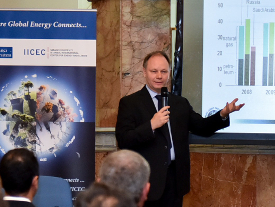
The Economics and Geopolitics of Natural Gas
On September 7, 2015, MIT CEEPR Senior Research Scientist Sergey Paltsev visited
Istanbul, Turkey, for an invited lecture on the economics and geopolitics of natural
gas at Sabanci University.
EPRG-CEEPR European Energy Policy Conference 2015
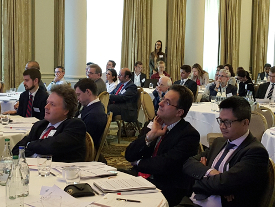
On July 9 and 10, CEEPR and EPRG joined forces with Royal Dutch Shell plc to host the
15th installment of the European Energy Policy Conference in London,United Kingdom. Reflecting the disruptive trends affecting various areas of the energy sector, and acknowledging
the importance of the upcoming international climate summit in Paris (COP21), the organizers titled the 2015 conference “Building a Sustainable Future Energy System: More Energy, Better Energy Management, Less CO2â€.

2015 Spring Workshop
On May 21 and 22, the 2015 Spring Research Workshop brought together around 70 participants for a timely discussion of trends and developments in the energy space.
SEE FULL ARTICLE
Faculty Affiliate: Georgia Perakis, William F. Pounds Professor of Management Professor
MIT’s Center for Energy and Environmental Policy Research is delighted to welcome a new faculty affiliate: Georgia Perakis, the William F. Pounds Professor of Management and a Professor of Operations Research and Operations Management at the MIT Sloan School of Management.
SEE FULL ARTICLE
Subsidies for Green Technology: The Role of Competition and Flexibility
Two recent working papers co-authored by Georgia Perakis, the William F. Pounds Professor of Operations Research at the MIT Sloan School of Management and an affiliate of CEEPR examine such factors by addressing the role of competition and flexibility in the application of green technology subsidies.
SEE FULL ARTICLE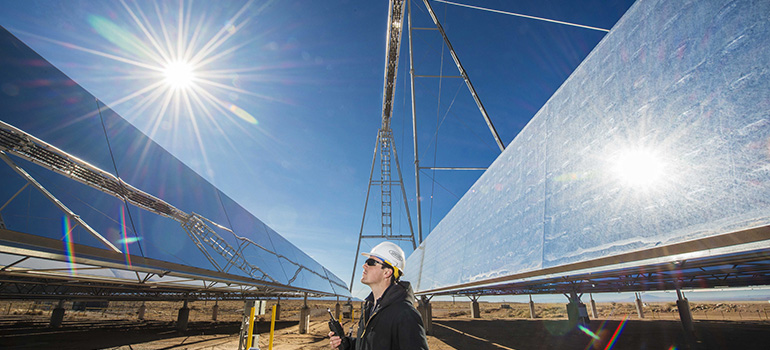
The MIT Future of Solar Energy Study Released
On May 5, 2015, the MIT Energy Initiative (MITEI) released a comprehensive new study titled The Future of Solar Energy. As with earlier installments of the highly regarded MIT “Future of … “ report series, several CEEPR faculty and research affiliates were involved in the elaboration of the study, contributing economic and policy insights to a multidisciplinary, multi-year research effort. Former CEEPR Director Richard Schmalensee, a Professor of Economics and Management at the MIT Sloan School of Management, served as the study’s chair.
SEE FULL ARTICLE
Subscribe To Our Newsletter
Subscribe now and check outour Past newsletters