


CEEPR Working Paper
2025-22
Fischer J. Espiritu Argosino and Christopher R. Knittel
Energy prices nationwide have been rising at roughly twice the rate of inflation. Many observers link this trend to the rapid growth of renewable generators, particularly utility-scale wind and solar. This has contributed to the recissions of the incentives and policies that previously helped renewables account for over 80% of new U.S. generation capacity in 2024 (FERC 2025). Prior studies argue that RPSs can raise electricity prices by imposing high compliance costs on utilities in certain states (Wiser 2025). Building on this literature, this paper uses a fixed-effects econometric approach to estimate plausibly causal effects of RPSs and renewable generation on residential electricity prices and utility expenditures over time and across states.
We draw upon data from the Energy Information Administration, the Federal Energy Regulatory Commission, and the Lawrence Berkeley National Laboratory to construct a state-utility year panel dataset that links residential electricity prices, RPSs, generation mixes, and utility spending. We focus our analysis on the most recent 25 years of complete data from 1998 through 2023. This dataset enables us to address two crucial questions: to what extent can we attribute increases in residential electricity prices to a decarbonizing electricity sector, and how does greater renewable generation impact utility spending?
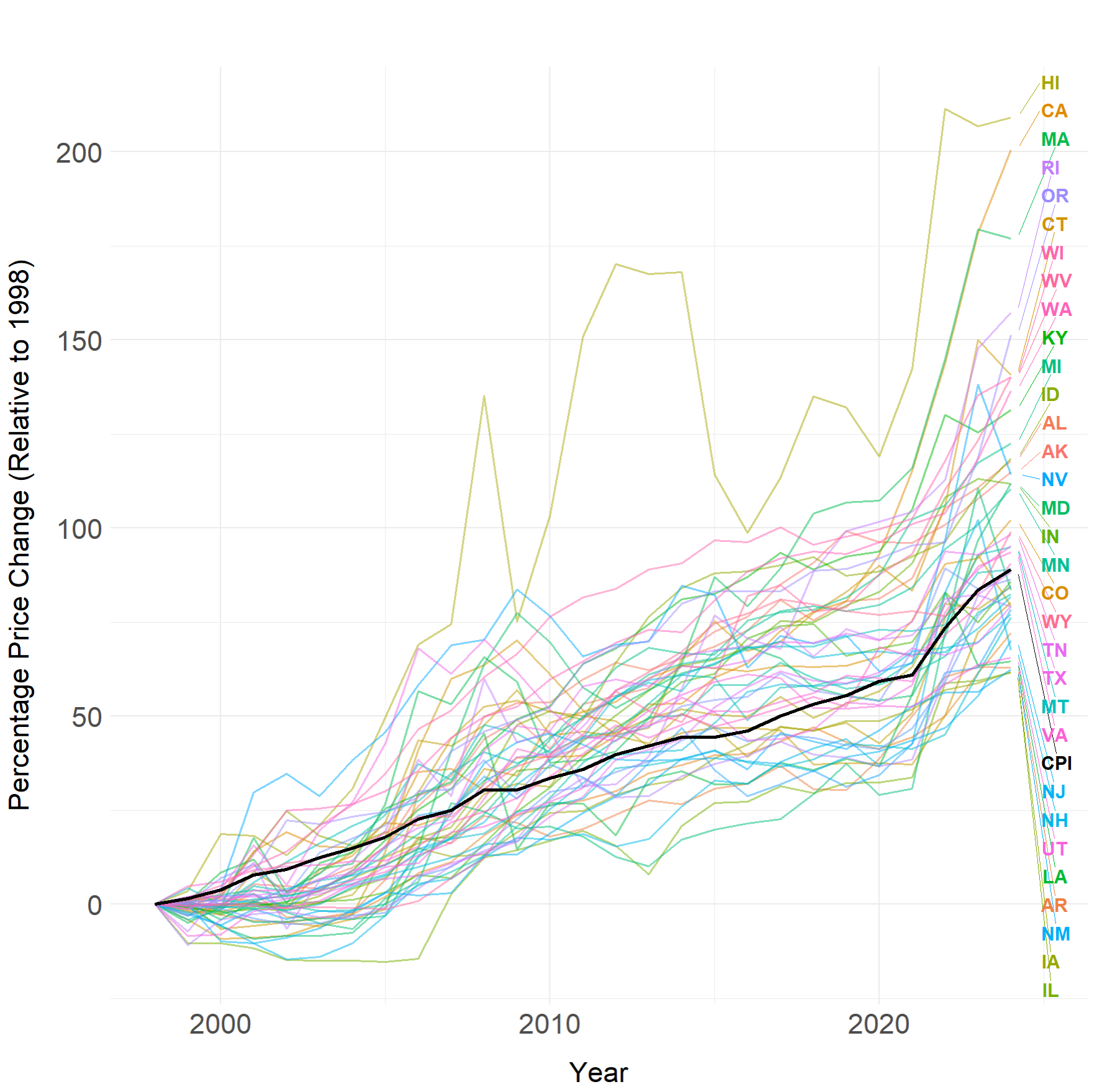
Figure 1. US Residential Electricity Price Trends by State
This chart plots the nominal percentage changes of residential electricity prices relative to 1998 values. Over the past 25 years, household residential electricity prices have risen substantially, with many that have exceeded the rate of inflation as indicated by the solid black CPI line.
Using a two way fixed effects regression model that controls for unobserved differences across years and between states, we find that RPSs and utility scale renewables are not associated with higher residential electricity prices. Instead, RPSs have virtually zero impact on prices and utility scale renewables are modestly associated with lower prices; in particular, utility-scale solar is strongly linked with lower prices. One explanation is that large solar plants may reduce network congestion and place downward pressure on overall generation costs because they do not require fuel inputs. We test these cost reduction channels using a three way fixed effects model that also accounts for differences between utilities. Our results show that utility scale solar is strongly associated with lower transmission, distribution, and total operation and maintenance (O&M) costs. These cost reductions may be passed through to customers in the form of lower retail electricity prices.
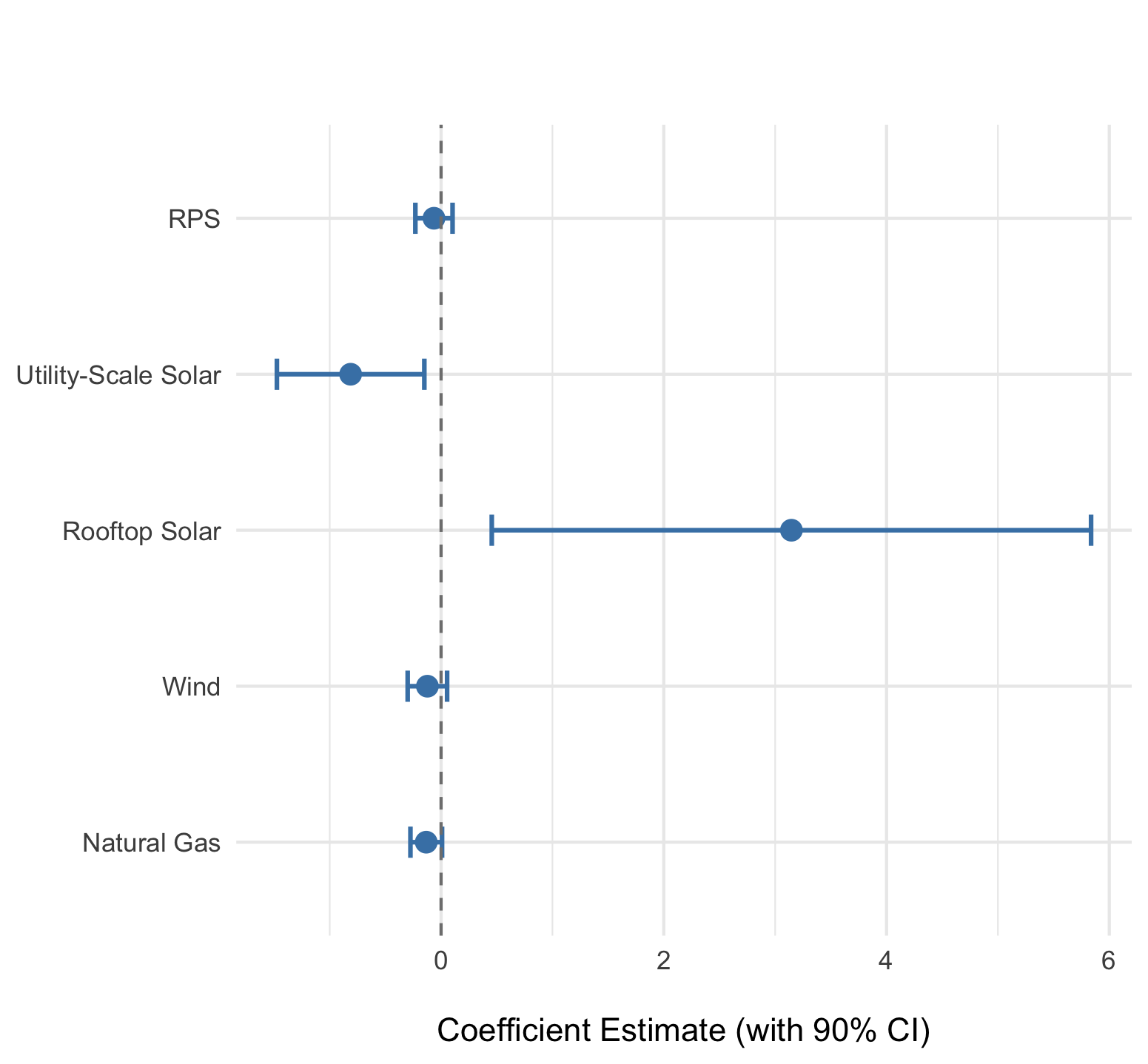
Figure 2. RPS and Generation Impacts on Household Electricity Prices
This is a coefficient plot of a fixed-effects regression that estimates the impact of RPSs and generation shares on residential electricity prices. These results indicate that higher generation shares of utility-scale solar correlate with lower residential electricity prices, whereas higher shares of rooftop solar correlate with higher prices.
We find rooftop solar, however, to be significantly correlated with higher prices. One possible reason for this is that current rate structures in some states shift fixed costs associated with rooftop solar from the owners onto other ratepayers. Many utility bills include per kilowatt hour charges for the utility to compensate rooftop solar owners for the excess electricity they export to the grid. This rate structure can result in some rooftop solar owners receiving negative electricity bills, meaning they end the month with a credit rather than a charge. In effect, this means that those without rooftop solar often fund those who do through an additional volumetric rate. In addition to this equity concern, increased rooftop solar generation is often used as a reason to delay investment in the distribution network because it can reduce peak demand hours by allowing more homes to self consume electricity. While certainly true in some scenarios, our analysis finds that rooftop solar is strongly correlated with greater distribution O&M costs. One reason for this is that the distribution network was not designed for bidirectional power flows. By deferring investment in distribution networks while offering incentives for rooftop solar exports, utilities may need to spend more to manage the physical and administrative complexity of harmonizing small, decentralized generators with increasingly antiquated infrastructure.
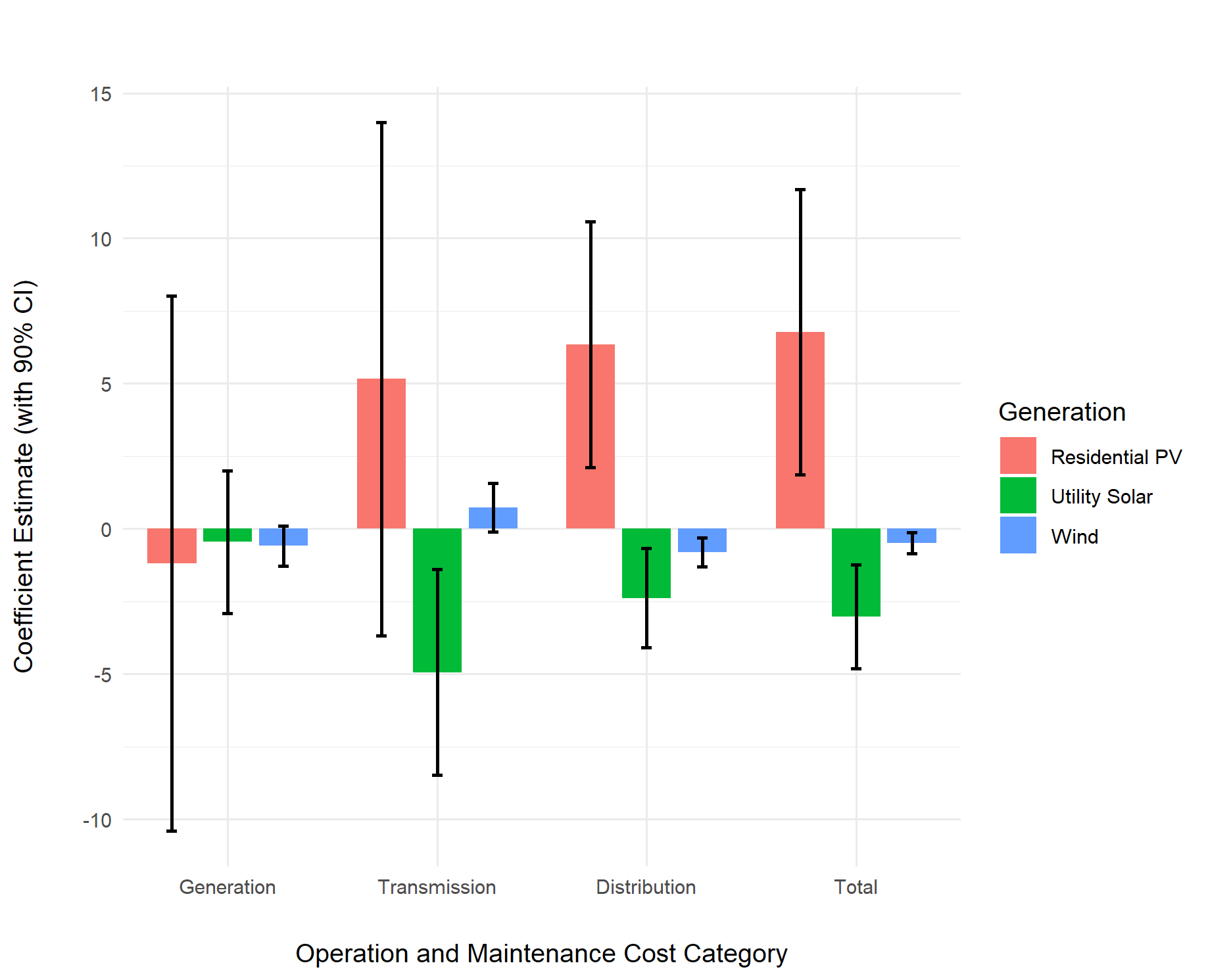
Figure 3. Generation Technology Impacts on Utility O&M Costs
This coefficient plot displays three separate fixed-effects regression models that compare the impacts of different generation technologies on self-reported utility spending on generation, transmission, and distribution O&M costs. Residential PV (or solar) generation is consistently correlated with higher distribution and total costs for utilities whereas utility-scale solar and wind are associated with delivery and total costs.
Even though our results present strong evidence for technological and policy drivers of both residential electricity prices and utility spending, additional confounders may remain. Our ongoing research applies more rigorous econometric techniques to further strengthen the causal interpretation of these estimates. Nevertheless, our work offers robust evidence that asserts neither RPSs nor utility scale wind and solar are responsible for increased residential electricity prices. We find instead that rooftop solar generation is linked with higher prices, likely because of current cost-shifting rate structures that may not fully account for the strain that exports place on the distribution network. These results affirm that the proper integration of renewables is an important aspect of a multifaceted solution that directly addresses household energy costs in the face of unprecedented demands on our infrastructure. Utilities are already investing heavily in grid upgrades to accommodate the impacts of climate-enhanced extreme weather events (such as heatwaves and wildfires) along with increased data center demand. Policymakers can secure an affordable energy future by improving the integration of low-cost renewables while implementing more equitable cost recovery strategies.
Link to the full working paper:
MIT CEEPR Working Paper 2025-22
About The Authors