
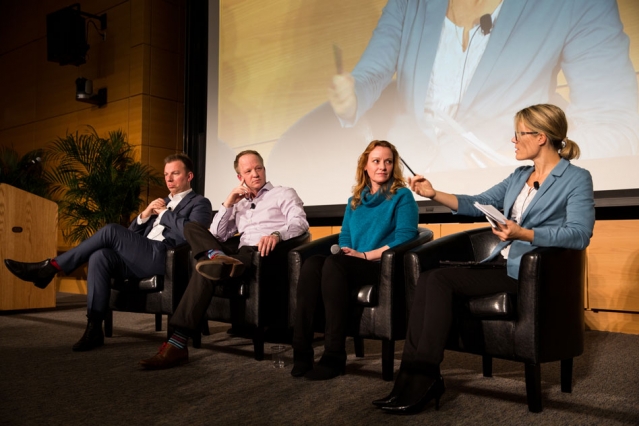
Getting the carbon out of the electricity sector
CEEPR faculty members Paul Joskow, David Keith, Christopher Knittel and Jessika Trancik participated in a recent MIT symposium titled “Decarbonizing the Electricity Sector.”
SEE FULL ARTICLE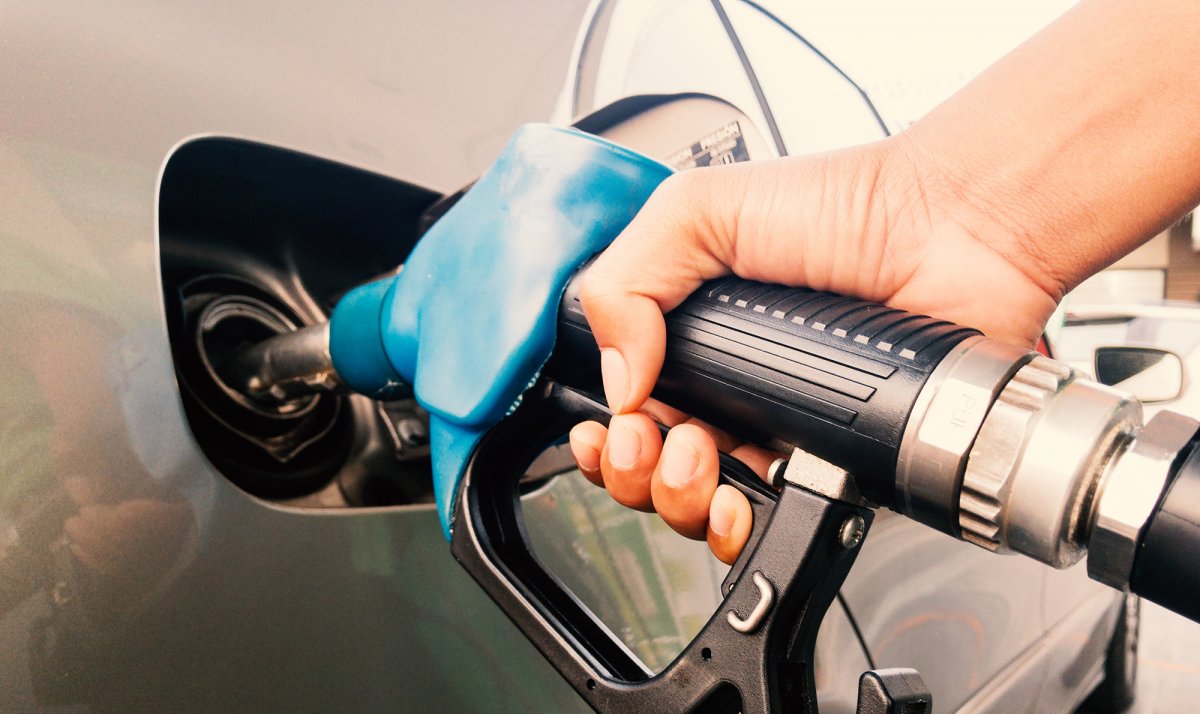
Driving Behavior and the Price of Gasoline: Evidence from Fueling-Level Micro Data
In this CEEPR Working Paper, Professor Christopher Knittel and Professor Shinsuke Tanaka use novel microdata on on-road fuel consumption and prices paid for fuel to estimate short-run elasticities of demand for gasoline consumption.
SEE FULL ARTICLE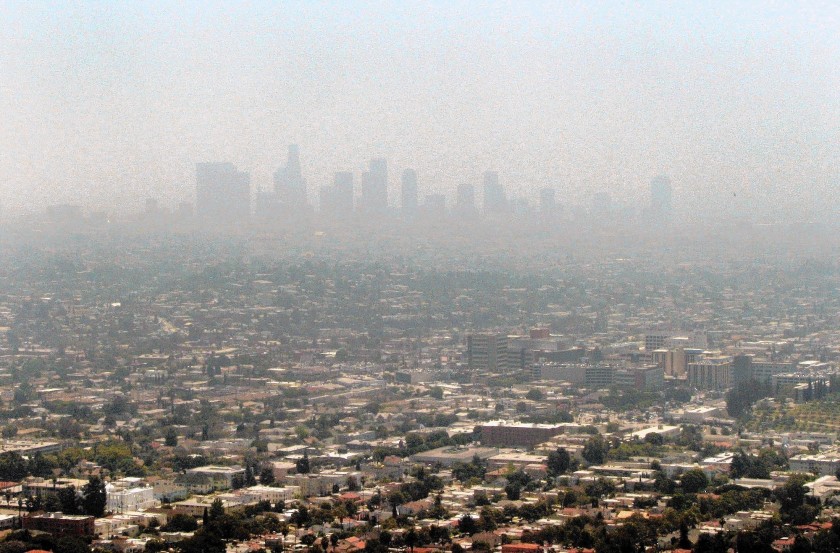
Five reasons climate change is the worst environmental problem the world has ever faced
In an op-ed in the Los Angeles Times, Professor Christopher Knittel lays out five features that combine to make global warming a more vexing environmental crisis than any we have faced before.
SEE FULL ARTICLE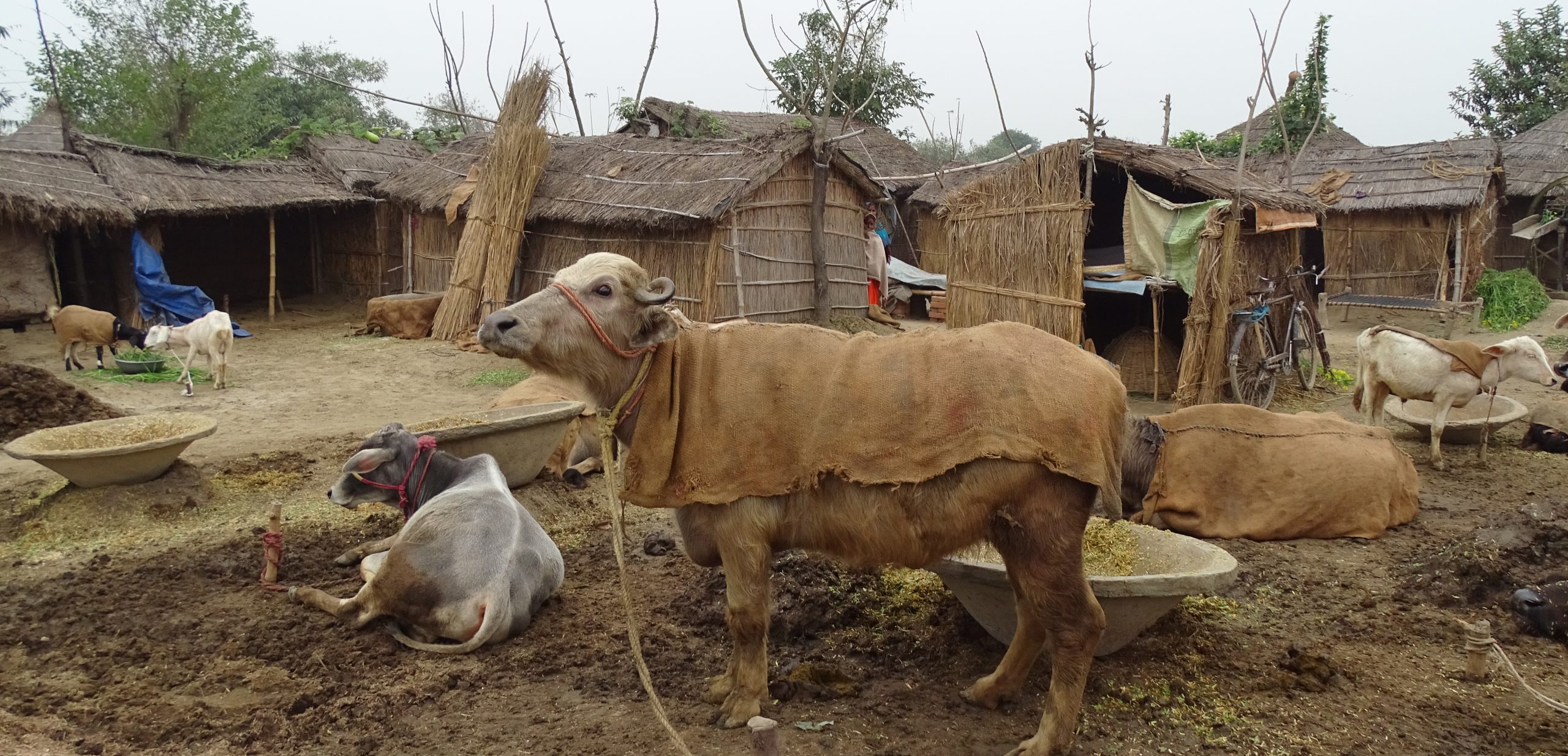
Electrification Planning in Developing Countries
The studies presented in this CEEPR Working Paper employ the Reference Electrification Model (REM) to investigate the value of accurately modeling detailed demand characteristics for electrification planning endeavors. REM prescribes cost-optimal supply technology designs for large areas of interest at building-level granularities given information about existing infrastructure, supply technology, and demand characteristics.
SEE FULL ARTICLE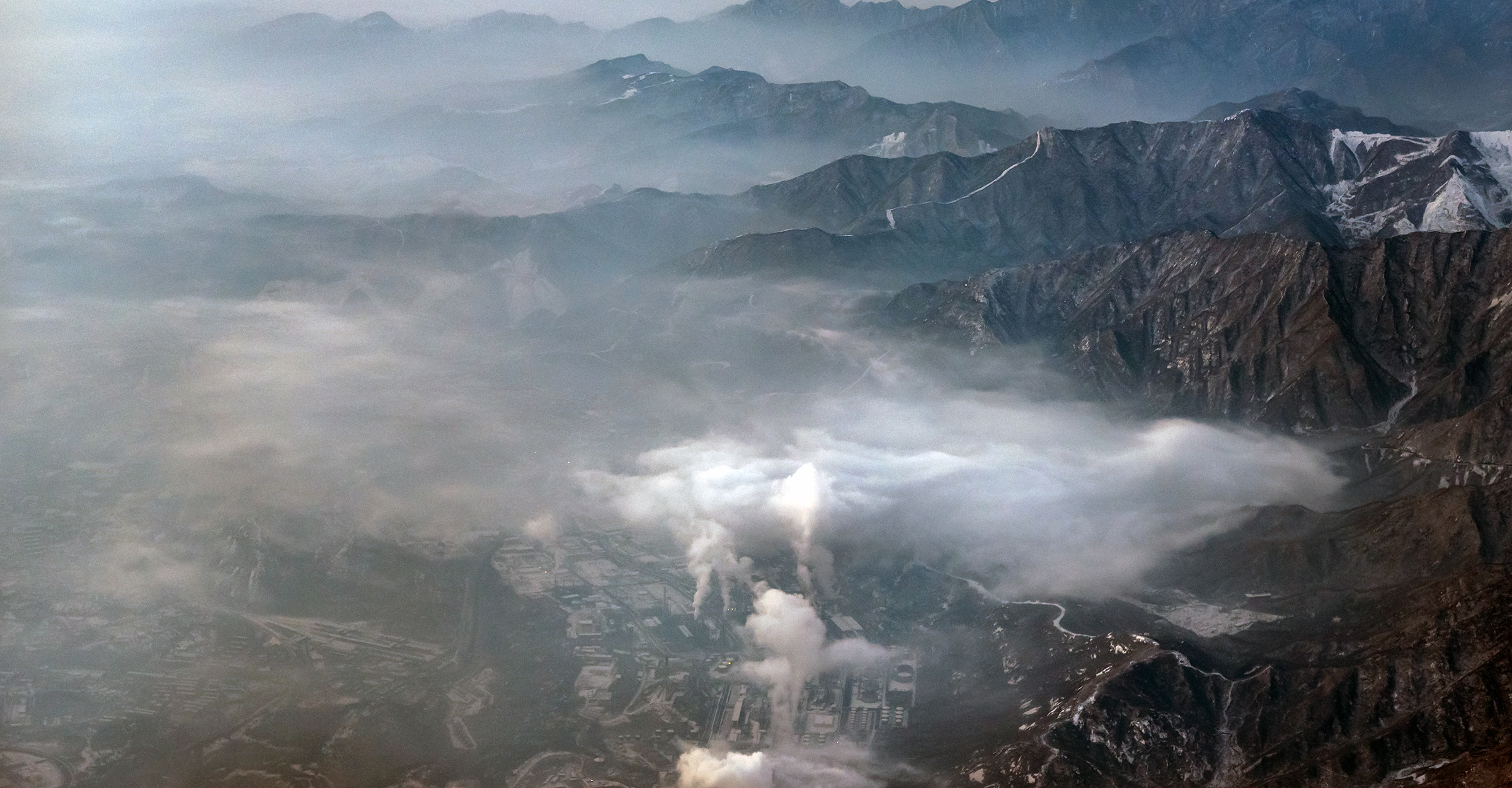
Crackdowns in Hierarchies: Evidence from China’s Environmental Inspections
Professor Valerie Karplus and Mengying Wu investigate how ï¬rms respond to crackdowns on public policy enforcement by linking the timing of centralized dispatch of environmental inspectors to cities in China with high-frequency observations of air pollution at coal power plants.
SEE FULL ARTICLE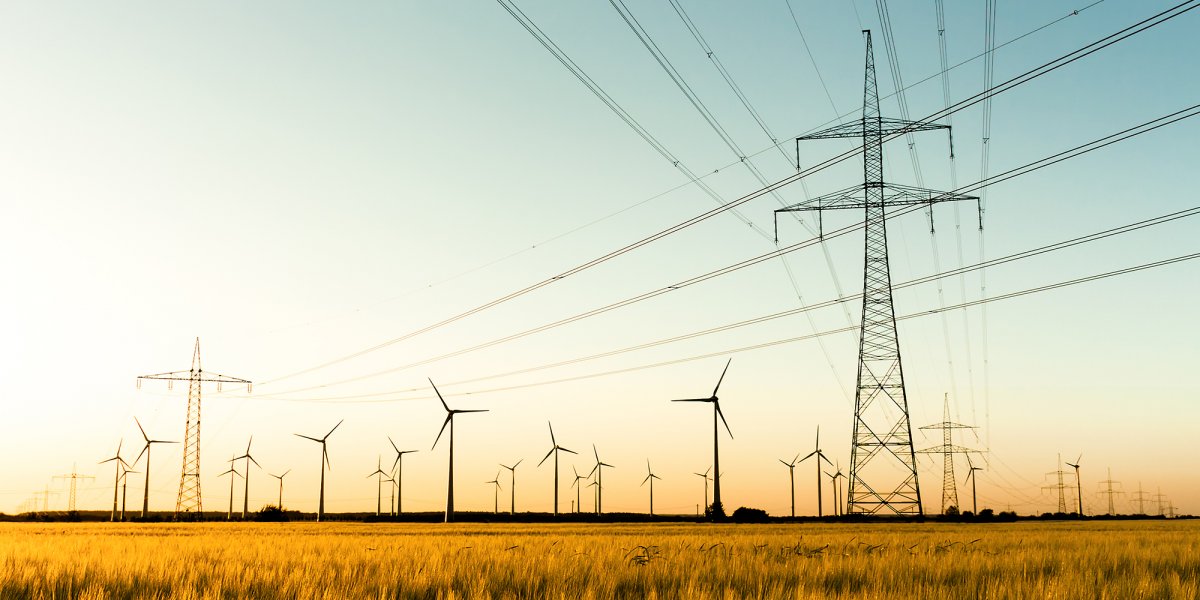
Strengths and Weaknesses of Traditional Arrangements for Electricity Supply
Professor Richard Schmalensee provides a broad-brush comparison of performance under traditional arrangements for electricity supply with those that emerged after the world-wide wave of restructuring that began in the 1990s in a new CEEPR Working Paper.
SEE FULL ARTICLE
Subscribe To Our Newsletter
Subscribe now and check outour Past newsletters