
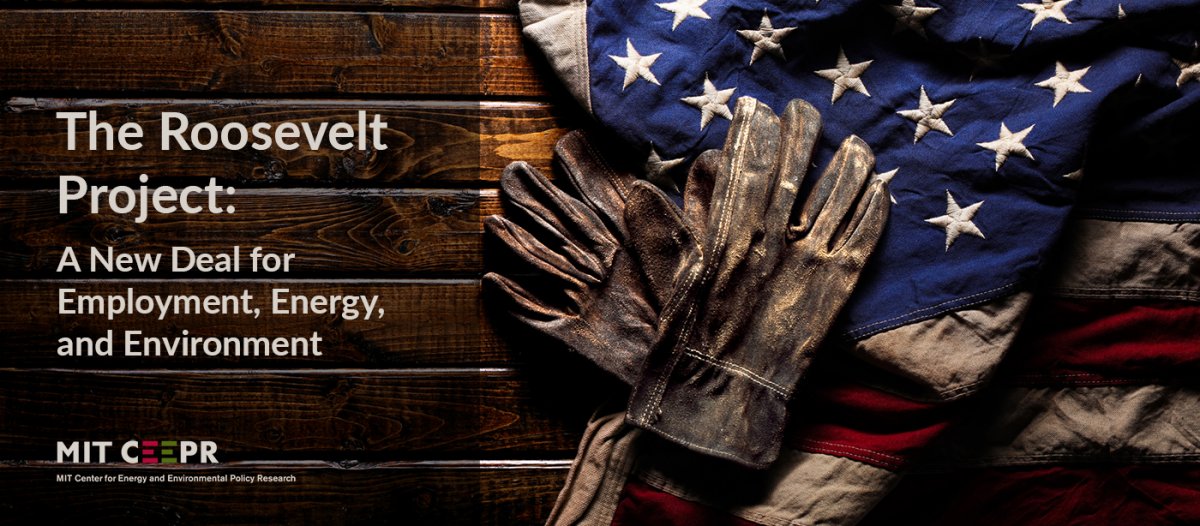
Launch Webinar: The Roosevelt Project
In this webinar, Professor Ernest Moniz will be joined by a group of high-level experts from academia, public policy and civil society to release nine Working Papers completed during the first phase of the Roosevelt Project. These offer a crosscutting and multidisciplinary assessment of key challenges and opportunities related to the transition. Panelists will present and discuss central messages from this first project phase.
SEE FULL ARTICLE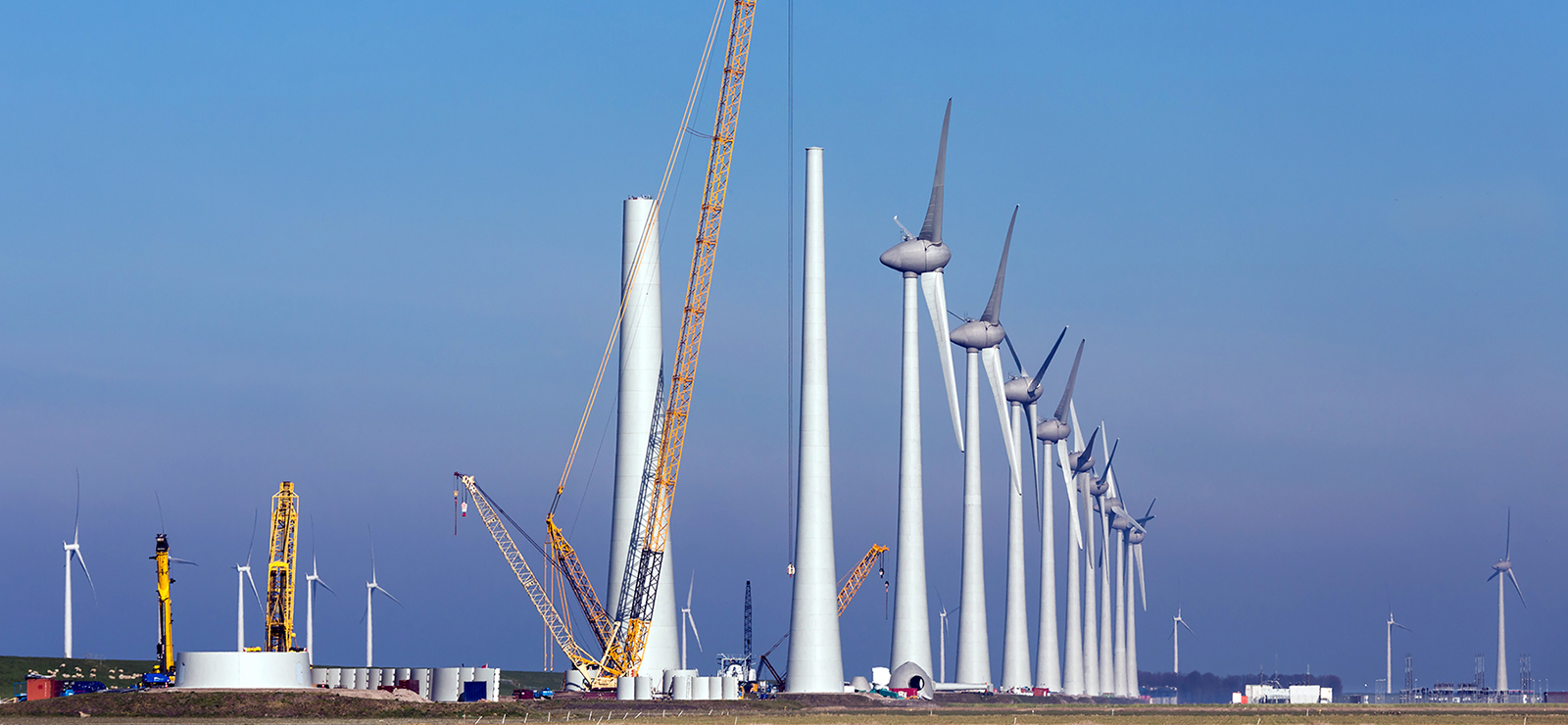
State Ownership and Technology Adoption
Many policymakers aim to redirect electric utilities’ power plant investments toward renewables. In much of Europe, state-owned and private utilities co-exist in a liberalized market environment, but the impact of ownership on the adoption of renewables is unclear. By investigating the investments of incumbent utilities in the EU during 2005-2016, the authors study the mechanisms by which ownership made a difference.
SEE FULL ARTICLE
2020 Fall Webinar Series
This series of webinars will take place from August 27 through December 10 and will cover topics including challenges in electricity markets with high shares of renewables, the economic and environmental impacts of COVID-19, transportation emissions policy, the role of hydrogen in the energy sector, and more. Additional information may be found here as it is updated throughout the Fall semester.
SEE FULL ARTICLE
Overcoming Challenges in Electricity Markets with High Shares of VRE: New Research Insights
In this upcoming webinar on August 27, the authors of two recent CEEPR Working Papers will describe how bidding formats and pricing models are evolving on both sides of the Atlantic to accommodate the operational constraints of renewable energy and energy storage providers, highlighting a number of lessons learned.
SEE FULL ARTICLE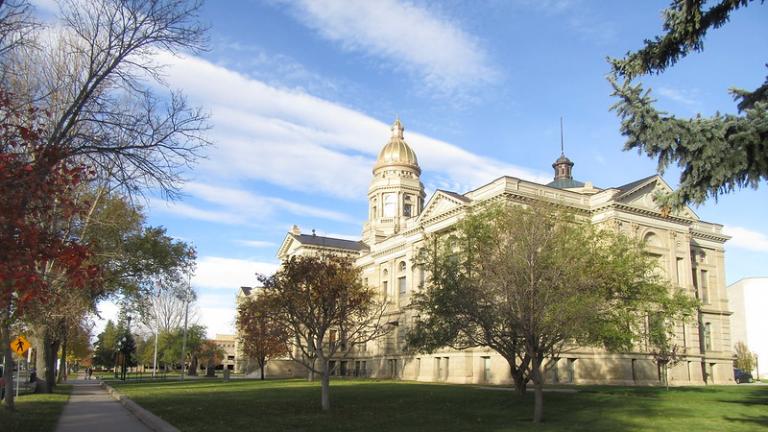
MIT and Wyoming Explore Energy and Climate Solutions
Members of Wyoming’s government and public university met with MIT researchers to discuss climate-friendly economic growth.
SEE FULL ARTICLE
2020 Fall Webinar Series
CEEPR is pleased to announce its Fall 2020 Webinar Series. The series of seven webinars will take place from August 27 through December 10. Additional information may be found here:
SEE FULL ARTICLE
Subscribe To Our Newsletter
Subscribe now and check outour Past newsletters