



Registration Open for the 2021 MIT Energy Conference
Held from March 10-12, the 2021 MIT Energy Conference will feature high-profile keynote speakers and panels covering the fossil transition, trends in renewable energy development, and many more.
SEE FULL ARTICLE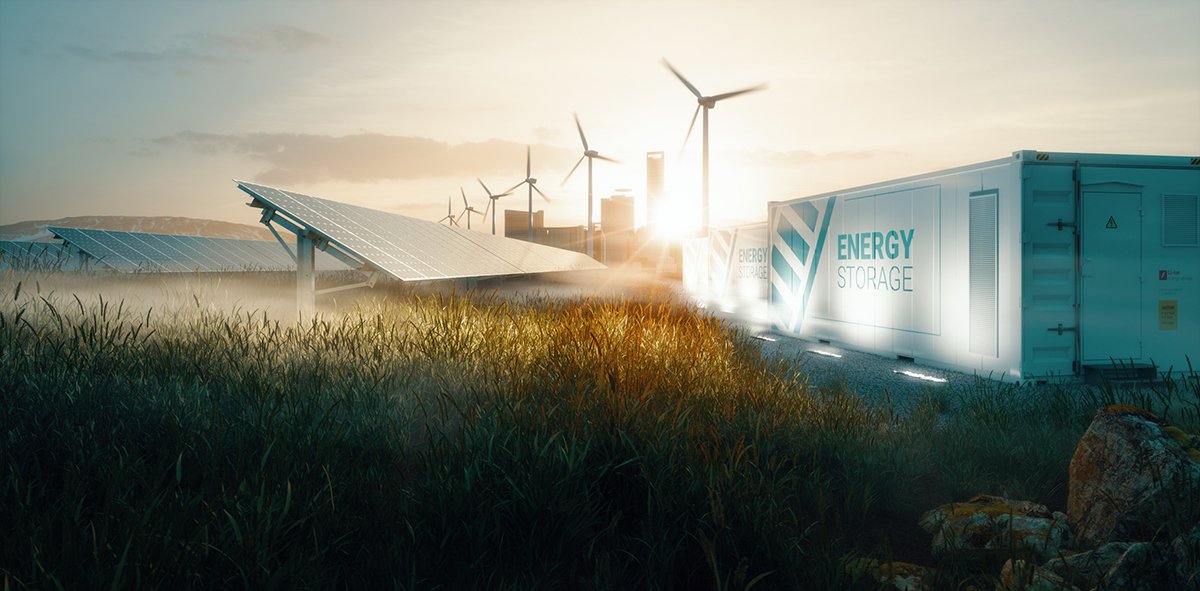
Energy Storage Investment and Operation in Efficient Electric Power Systems
Variable renewable energy (VRE) resources, mainly wind and solar, are becoming increasingly important sources of electricity in many regions. In a new CEEPR Working Paper, MIT’s Cristian Junge, Dharik Mallapragada, and Richard Schmalensee consider welfare-optimal investment in – and operation of – electric power systems.
SEE FULL ARTICLE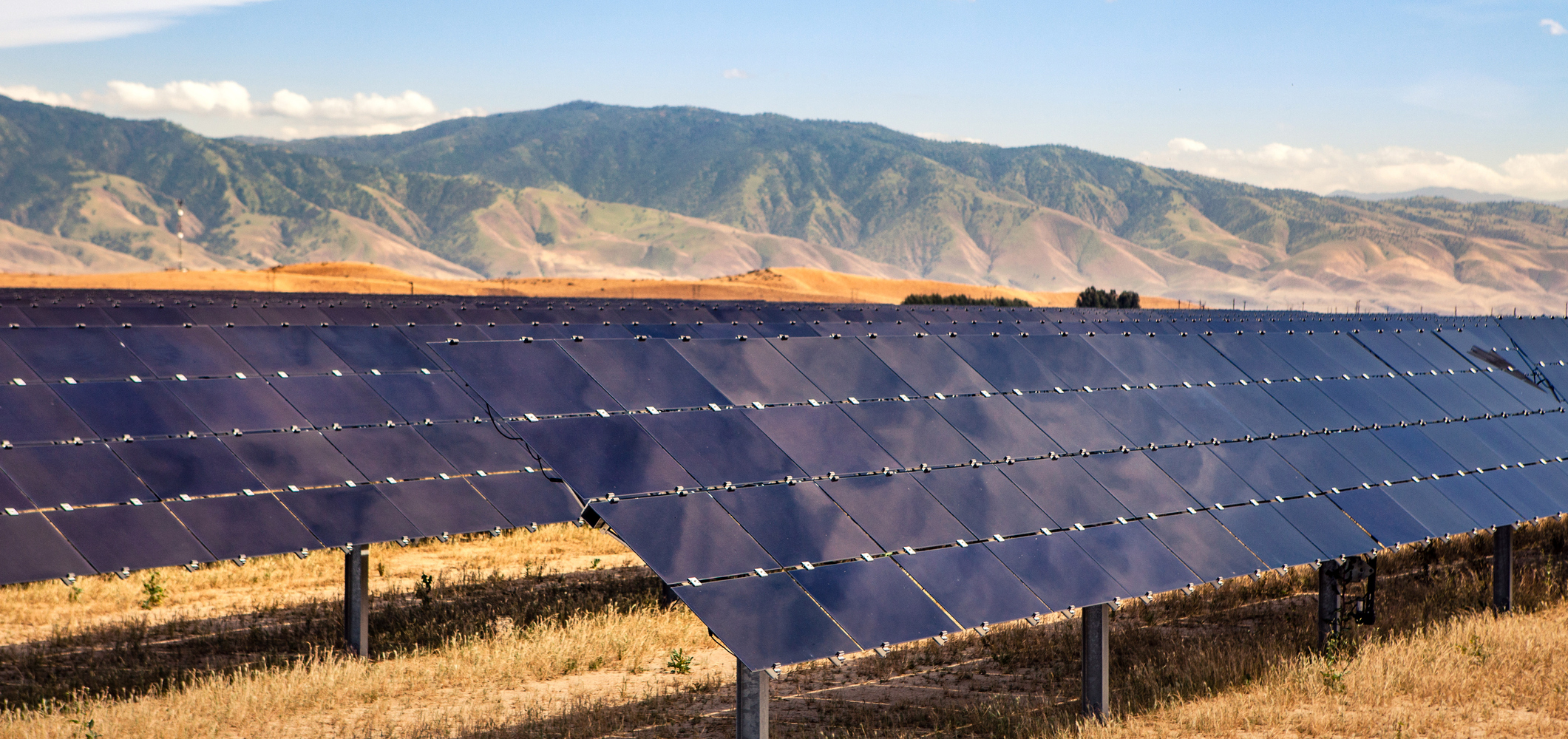
An Alternative LACE Study on Solar PV
Renewable generating technologies in the electricity market are often evaluated using the Levelized cost of electricity (LCOE). Using a more holistic approach, this CEEPR Working Paper measures the Levelized Avoided Cost of Electricity (LACE), which considers what it will cost the grid to generate electricity using renewable technology, amortized over its lifetime, to assess the economical value of the renewable generating technology.
SEE FULL ARTICLE
Fall 2020 Newsletter Released
The next issue of the CEEPR Newsletter is now online. Read about research work and other collected news items from the past few months here.
SEE FULL ARTICLE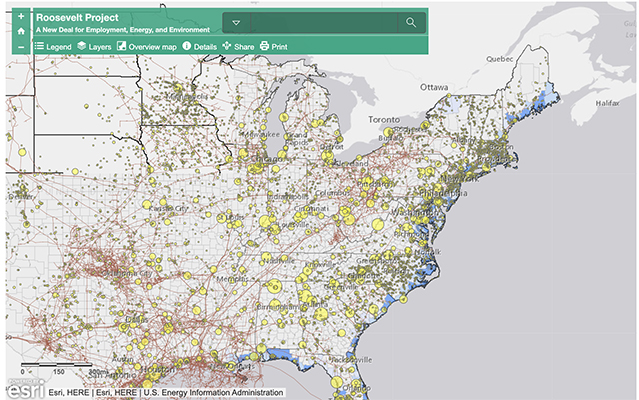
The Roosevelt Project Releases Mapping Tool
The Roosevelt Project has created an interactive mapping tool that visualizes the data collected by the research group, down to an individual US county level. You may visit the page here.
SEE FULL ARTICLE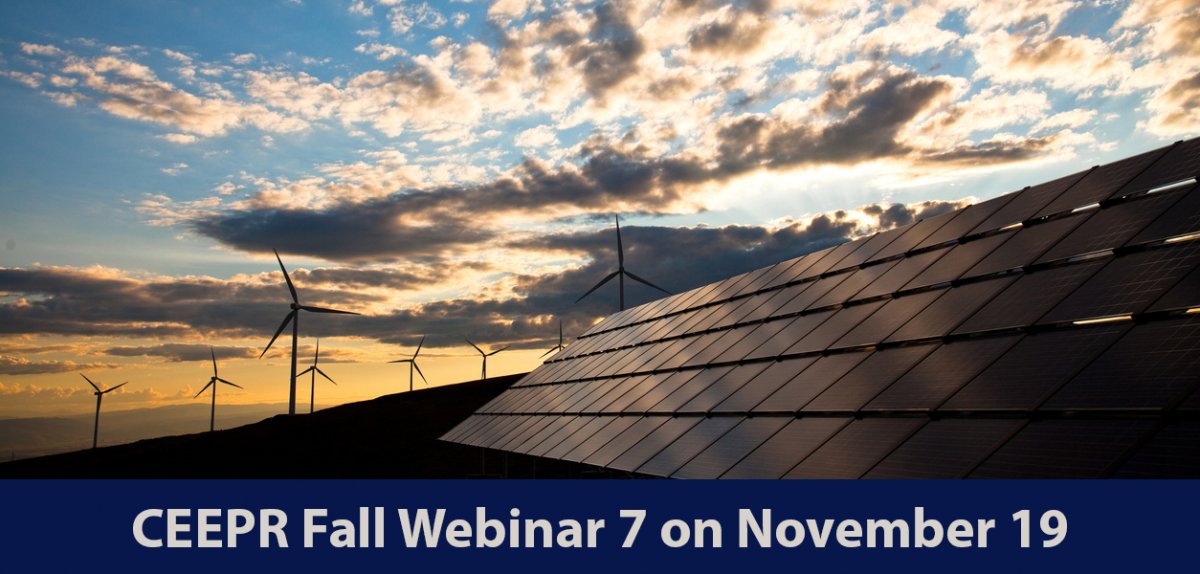
Grid Reliability in a Carbon-Constrained World
In this upcoming webinar on Nov. 19, organized in collaboration with the MIT Energy Initiative Electric Power Systems Low Carbon Center, two experts on electricity systems and market design will address the impacts of power sector decarbonization on grid reliability.
SEE FULL ARTICLE
Subscribe To Our Newsletter
Subscribe now and check outour Past newsletters